Sandakphu is often described as a dream destination — the highest point in West Bengal, offering sweeping views of the world’s tallest peaks. But while some trekkers return with unforgettable memories, others come back disappointed. Why? Because Sandakphu can be magical at certain times — and extremely underwhelming at others.
If you’re planning this iconic trek, this guide reveals when Sandakphu truly shines and when you should avoid it, so your experience matches your expectations.
What Makes Sandakphu So Special?
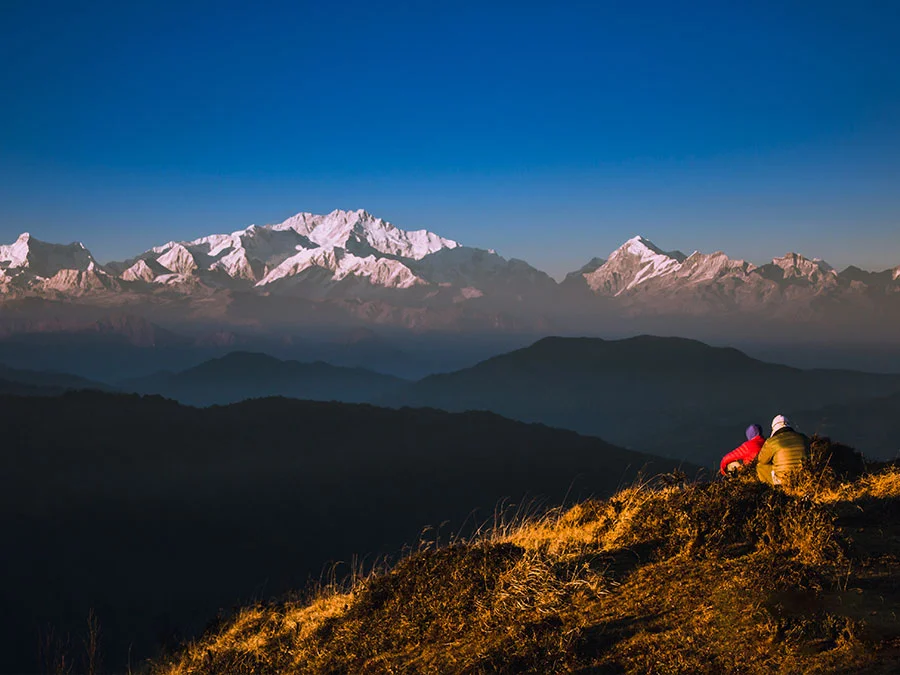
Perched at an altitude of 11,930 feet, Sandakphu sits on the India–Nepal border and offers something very rare — a single viewpoint from where you can see four of the five highest peaks in the world:
- Mount Everest
- Kanchenjunga
- Lhotse
- Makalu
On a clear morning, the sunrise over the Sleeping Buddha formation of Kanchenjunga feels almost unreal. The golden light slowly painting the peaks is what makes Sandakphu legendary.
But this magic is highly weather-dependent.

When Sandakphu Is Truly Magical
1. Mid-October to Early December – Best Overall Experience
This is when Sandakphu shows its best side.
Why this period is magical:
- Crystal-clear mountain views
- Stable weather
- Snow-dusted trails by late November
- Stunning golden sunrises
- Fresh mountain air
Who should go:
First-time trekkers, photographers, couples, solo travelers, and nature lovers.
This is the most reliable season to witness the famous Himalayan panorama.
2. Mid-March to April – Rhododendron Wonderland
Spring transforms the Sandakphu trail into a colorful paradise.
What makes it special:
- Blooming rhododendrons and magnolias
- Pleasant daytime temperatures
- Clear mountain views (on most days)
Perfect for:
Nature lovers, photographers, and floral landscape enthusiasts.
When Sandakphu Is NOT Magical (And Often Disappointing)
1. Monsoon Season (July to Mid-September)
This is the worst time to visit Sandakphu.
Why you should avoid it:
- Thick fog blocking mountain views
- Frequent landslides
- Slippery trails
- Leeches
- High cancellation risk
You might complete the trek and see nothing but clouds, which can be heartbreaking after all the effort.
2. Late December to February – Extreme Winter Challenges
While winter trekking sounds romantic, Sandakphu becomes harsh and unpredictable.
Common problems:
- Heavy snowfall
- Trail closures
- Sub-zero temperatures
- High risk of altitude sickness
- Limited accommodation
Unless you are an experienced trekker, winter is not recommended.
The Hidden Factor That Makes or Breaks Your Experience: Weather Timing
Even in peak season, Sandakphu’s magic depends on luck and weather patterns.
Some trekkers get:
- Golden sunrises
- Clear 180° Himalayan views
Others get:
- Thick fog
- Cloud-covered peaks
That’s why adding buffer days to your itinerary dramatically improves your chances.
Best Month-wise Breakdown
| Month | Experience Level |
| Jan – Feb | Harsh winter, avoid |
| March | Very good |
| April | Excellent |
| May | Good |
| June | Moderate |
| July – Sept | Worst |
| Oct | Excellent |
| Nov | Excellent |
| Early Dec | Very good |
| Late Dec | Risky |
Pro Tips to Experience Sandakphu at Its Best
- Choose October or November for best mountain views
- Start trek early morning to avoid cloud build-up
- Add 1 buffer day for weather safety
- Stay overnight at Sandakphu Phalut route lodges for sunrise views
- Avoid weekends & long holidays for crowd-free trekking
Final Verdict: When Sandakphu Becomes Pure Magic
Sandakphu is magical when:
- The sky is crystal clear
- The peaks glow during sunrise
- The air is still
- The trail is peaceful
But when fog, rain, or snow dominate, even this Himalayan jewel can feel ordinary and exhausting.
Timing is everything.
Plan wisely — and Sandakphu will reward you with memories that last a lifetime.
Plan Your Perfect Sandakphu Trek with Tripoventure
At Tripoventure, we design carefully curated Sandakphu trekking experiences, focusing on best timing, safety, comfort, and unforgettable views — so your journey turns magical, not disappointing.