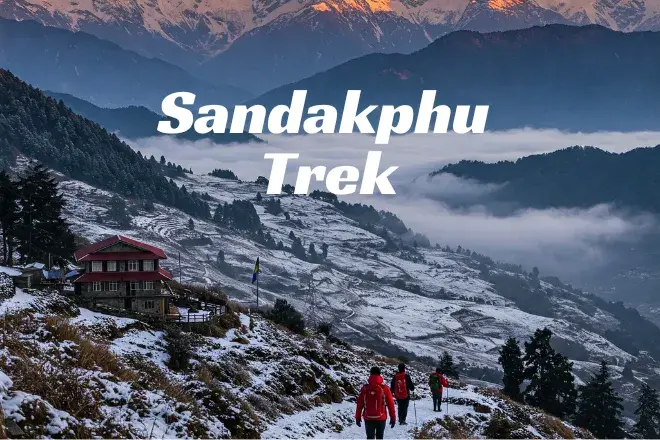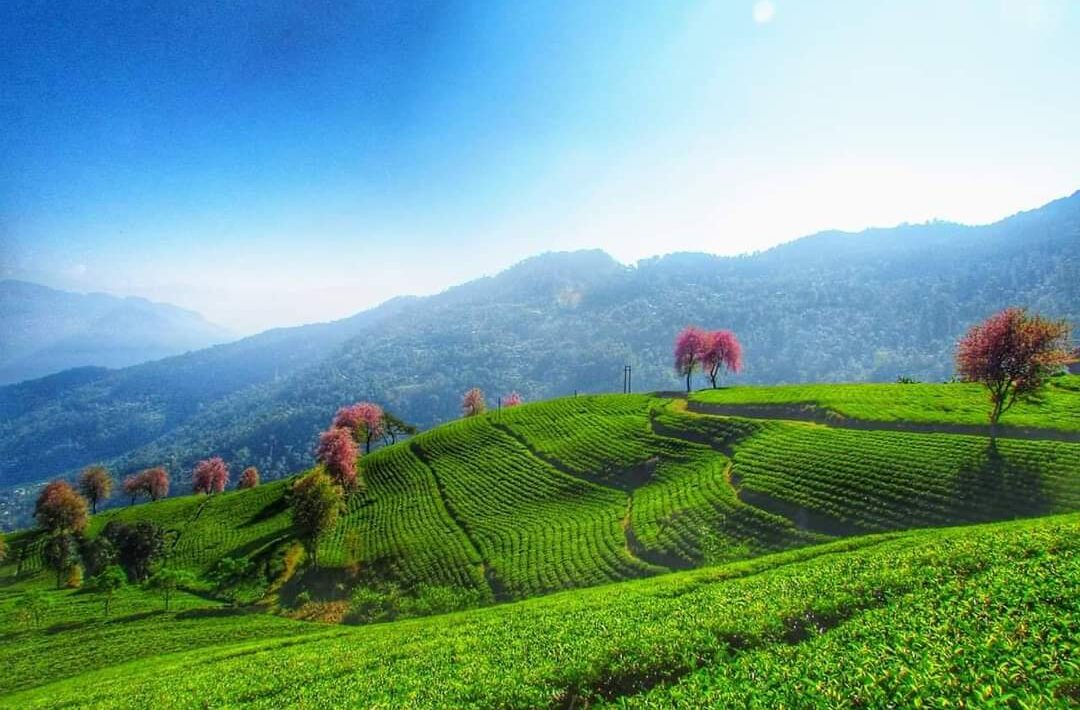

Winter in Sikkim feels like entering a world of quiet beauty—snowy peaks, frozen lakes, peaceful valleys, and crisp mountain air. But what most people don’t tell you is that winter travel in Sikkim isn’t always smooth. While the landscapes are breathtaking, the experience comes with its own set of challenges.
If you’re planning a winter holiday in Sikkim, this guide will help you understand the real picture so you can prepare better.
1. Not All Tourist Spots Are Accessible in Winter
Many travellers are surprised to learn that several famous locations often close due to heavy snowfall. Areas such as Gurudongmar Lake, Nathula Pass, Tsomgo Lake, and most parts of North Sikkim can become inaccessible without warning.
Snowfall, roadblocks, and permit issues are common in the winter months.
To avoid disappointment:
- Keep backup plans ready
- Expect changes in itinerary
- Check the weather and permit status regularly
If you want smoother travel, consider South Sikkim and West Sikkim, which remain far more accessible.

2. The Temperature Is Much Colder Than You Expect
Sikkim winters can be extremely harsh. Gangtok can drop close to zero, while North Sikkim often goes well below -10°C. At high-altitude points like Zero Point or Katao, temperatures become even more severe, and wind-chill can be intense.
Winter packing essentials include:
- Thermal inner layers
- Waterproof, windproof jackets
- Woolen socks, gloves, and caps
- Moisturiser and lip balm
- Strong shoes with good grip
3. Daylight Hours Are Shorter
Winter days in Sikkim are short, and sunsets can happen as early as 4:45 PM. This means sightseeing must start early to make the most of the limited daylight.
If you’re someone who likes to begin the day late, you may end up missing several viewpoints or activities.
4. Most Hotels Don’t Have Central Heating
Unlike places such as Himachal or Kashmir, central heating is uncommon in Sikkim. Most hotels rely on portable heaters or electric blankets.
Before booking a stay, check the following:
- Room heater availability
- Electric blankets
- Continuous hot water
- Backup power in case of outages
5. Food Options Can Be Limited in Remote Areas
In winter, many cafés and local restaurants shut down, especially in remote regions like Lachen and Lachung. Your options may be limited to basic meals such as rice, vegetables, Maggi, momos, thukpa, and tea.
If you have specific dietary needs, carry snacks, energy bars, or ready-to-eat food.
6. Travel Is Slower and Requires More Patience
Winter travel in Sikkim is unpredictable. Road conditions may slow you down, and travel time between destinations can be much longer than usual. Permits can also be delayed due to weather conditions.
Winter is not ideal for fast-paced travellers. But if you appreciate peaceful journeys and scenic silence, this season is perfect.
7. Permits Can Be Cancelled on the Day of Travel
Even if you have secured permits for Nathula Pass or North Sikkim, there is no guarantee you will be allowed to visit. Heavy snowfall can lead to sudden cancellations, sometimes just hours before departure.
It’s important to stay mentally prepared and flexible with your plans.
8. The Views Are Stunning and Unforgettable
Despite the challenges, winter rewards you with incredible natural beauty. Snow-covered mountains, frozen waterfalls, clear skies, and crowd-free landscapes make this season visually extraordinary.
Photographers and nature lovers often find winter to be the best time to explore Sikkim’s raw beauty.
9. You Get a More Authentic Cultural Experience
With fewer tourists around, winter allows deeper interaction with locals. You can spend time in cozy homestays, enjoy traditional winter dishes, learn about Sikkimese customs, and experience the slower pace of mountain life.
It’s a chance to connect with the culture in a more meaningful way.
10. Winter Travel Is More Budget-Friendly
Hotels and taxis are generally cheaper in winter due to lower tourist footfall. If you are willing to embrace the cold and be flexible, you can enjoy a memorable Sikkim trip at a more affordable price.
Final Verdict: Should You Visit Sikkim in Winter?
You should visit Sikkim in winter if you love adventure, calm landscapes, and unique winter experiences.
But if you prefer guaranteed sightseeing, warm temperatures, and fully open routes, winter may not be the best season for you.
Winter in Sikkim is magical but requires preparation, patience, and flexibility. Plan wisely, and you’ll explore a side of Sikkim that most travellers never witness.
Plan your winter Sikkim trip with Tripoventure for a safe, smooth, and memorable experience.